The Warmth of Magnetic Tape
Exhibit 01 — The Analog Audio Era
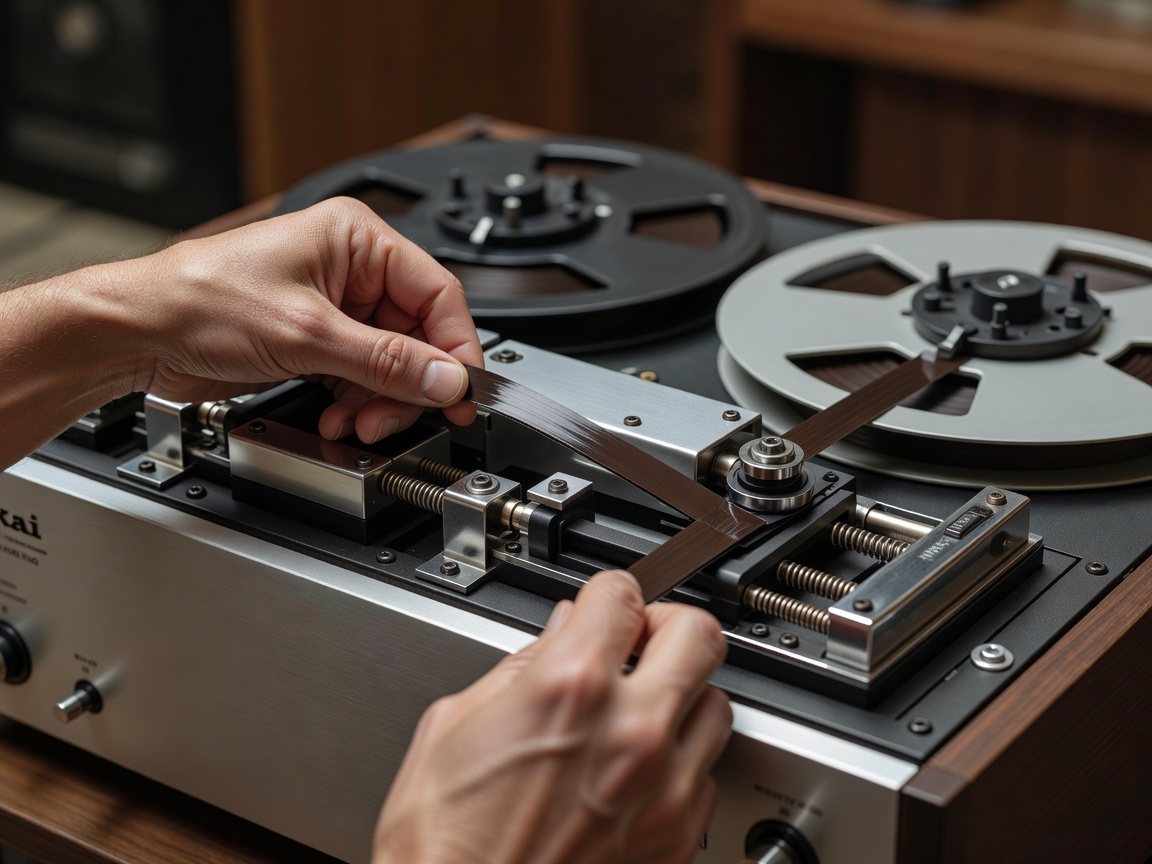
Before audio became invisible data streamed through the ether, it was a profoundly physical experience. The act of listening required intent. It demanded the physical handling of delicate vinyl discs or the complex threading of Mylar tape through precise mechanical pathways.
The Tactile Resistance of Playback
Consider the cassette deck of the late 1970s. Pressing 'Play' was not a digital suggestion sent to a microchip; it was a physical command. You pushed a heavy, spring-loaded key that mechanically engaged rubber pinch rollers and metal capstans, pulling the tape head forward to meet the magnetic ribbon.
"There is an honesty in heavy switches and brushed aluminum. The machine does not hide its effort; you can feel the torque of the motors beneath your fingertips."
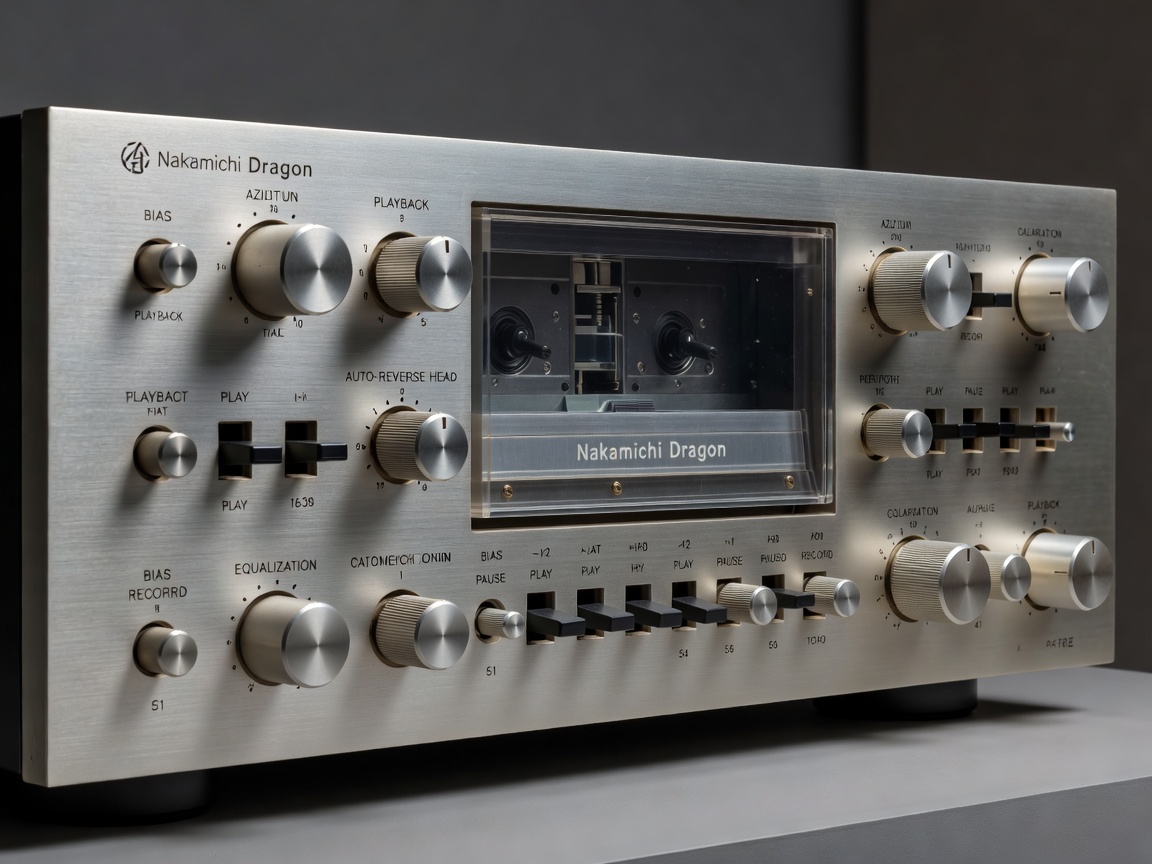
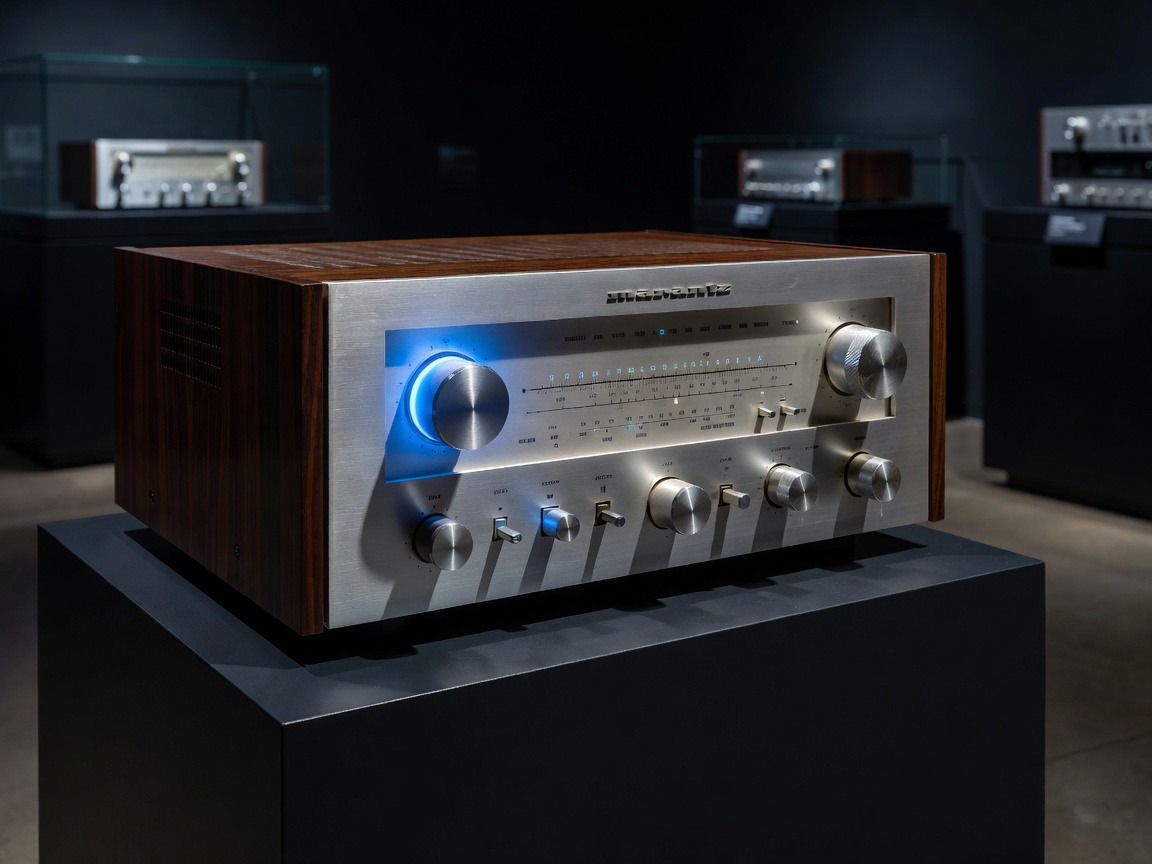
Manufacturers like Nakamichi and Marantz understood this tactile language. Their knurled aluminum knobs offered a satisfying, viscous resistance, dampening the turn to allow for microscopic adjustments to recording levels.