Mechanical Switch Histories
Exhibit 02 — Early Computing Monuments
Modern devices strive for invisibility. They are sleek slabs of black glass that hide their complexity. Early computers, by contrast, were monuments. They commanded physical space and demanded operators to interact with them on a visceral, architectural level.
The Front Panel Era
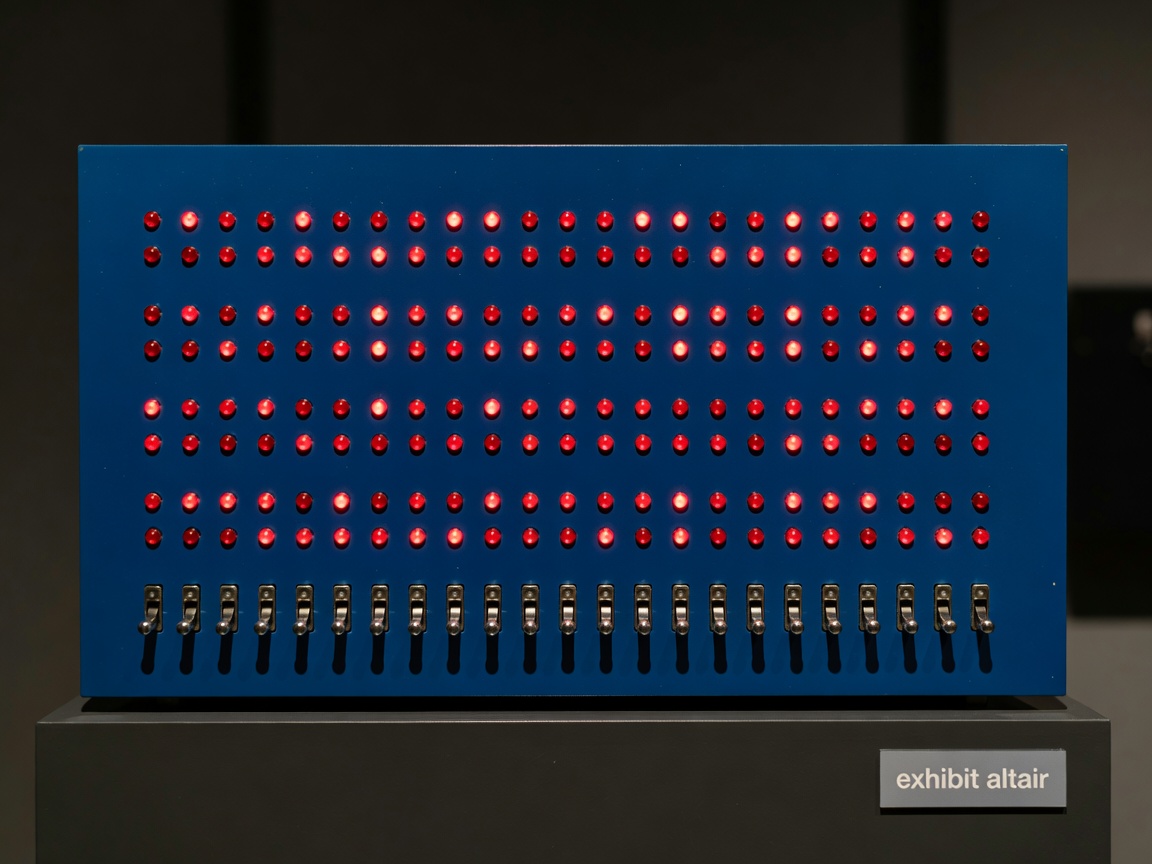
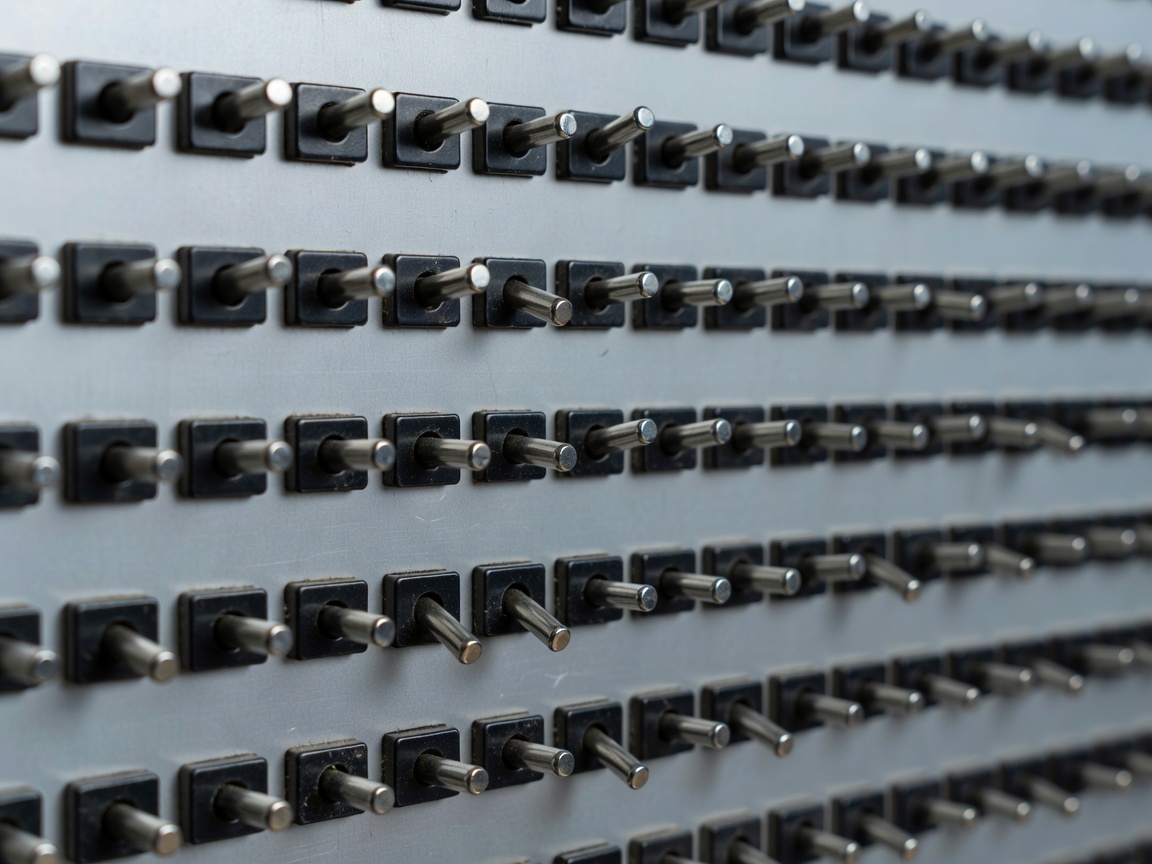
In the 1970s, before keyboards and screens were standard, users communicated with machines like the Altair 8800 or the PDP-8 through front panels. Programming meant manually flipping rows of rigid metal toggle switches to input binary data, reading the output through arrays of tiny incandescent bulbs or LEDs.
"The computer was not a black box; it was an open ledger. You could literally see the registers state by state, a glowing constellation of logic."
The Beige Plastic Canvas
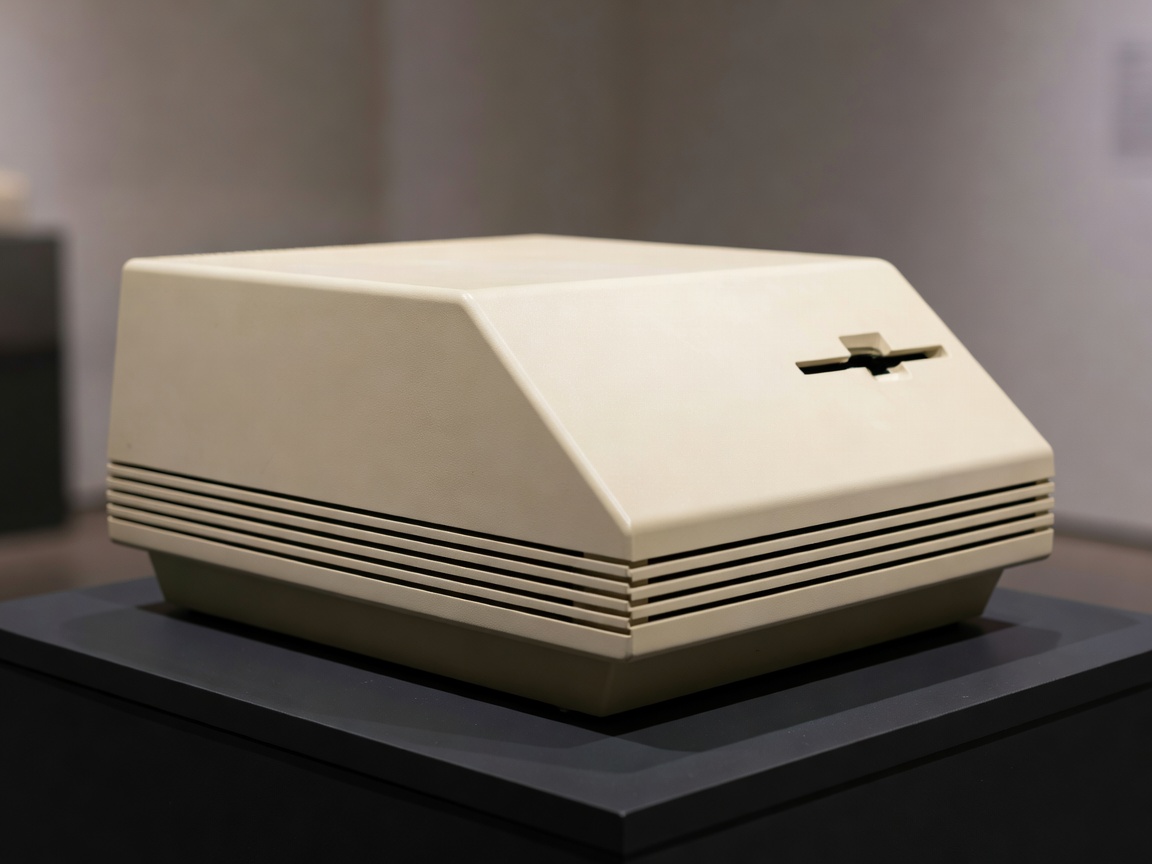
As computing entered the home in the 1980s, the aesthetic shifted to heavy, textured beige ABS plastic. The IBM Model M keyboard utilized buckling spring mechanisms, providing a resonant, metallic "ping" and heavy tactile feedback with every keystroke—a stark contrast to the silent, shallow typing of today.