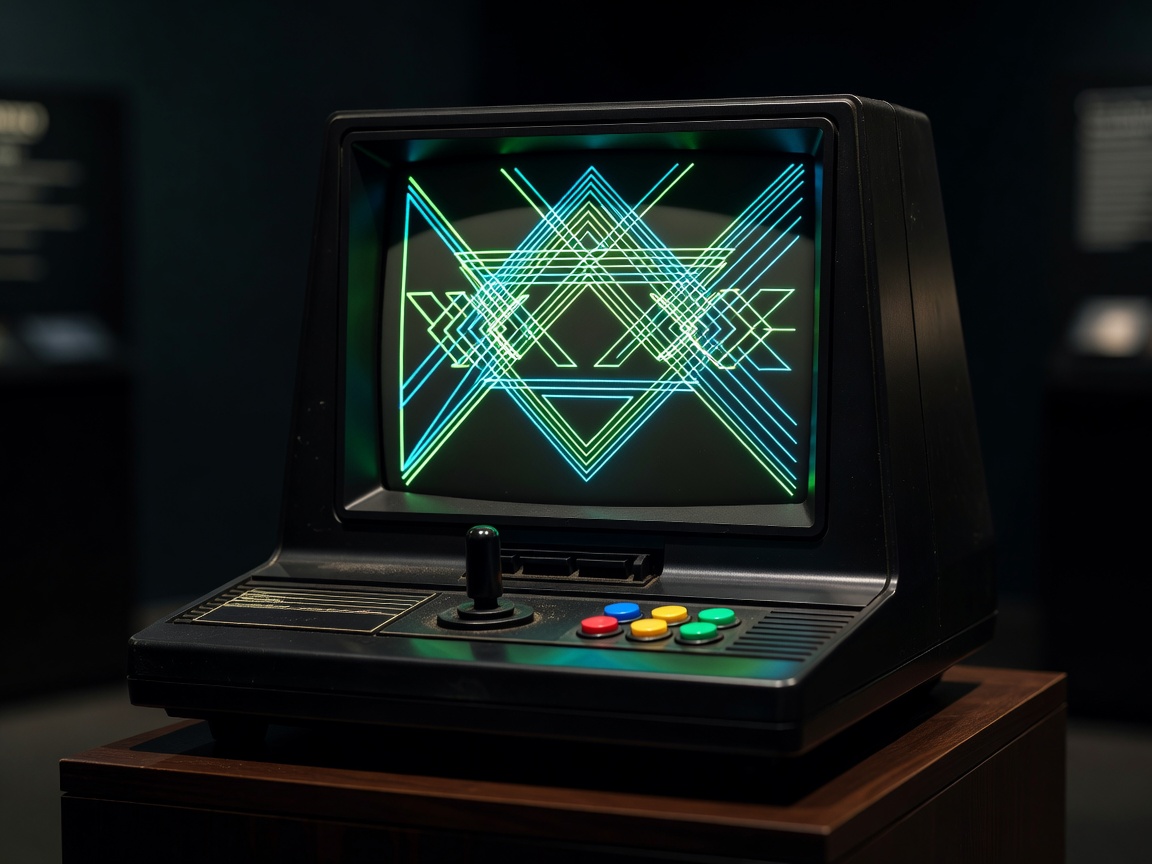
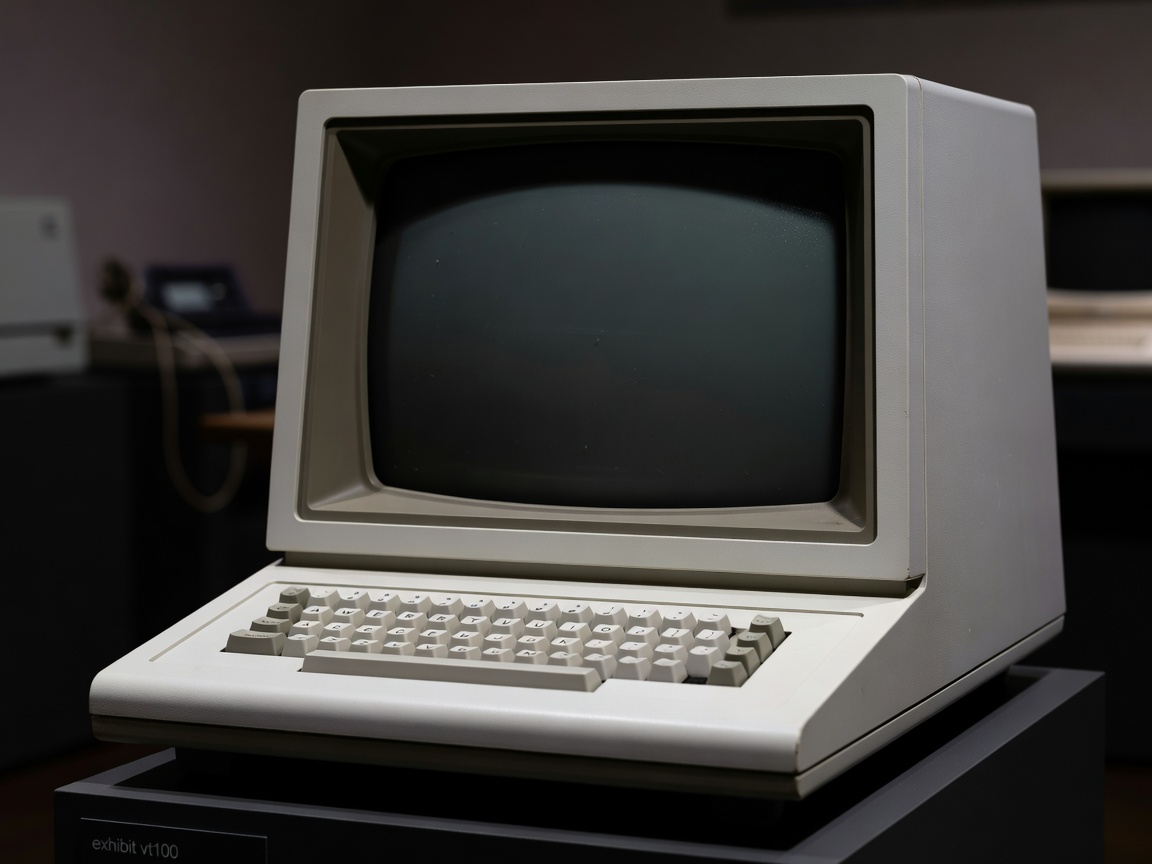
Cathode Ray Aesthetics
Exhibit 04 — Forgotten Phosphors
Modern OLED panels strive for absolute flatness and perfect uniformity. But early electronic displays were inherently volumetric. They were evacuated glass envelopes harnessing high voltages and glowing plasmas, resulting in displays that were warm, curved, and deeply atmospheric.
The Hum of the Electron Gun
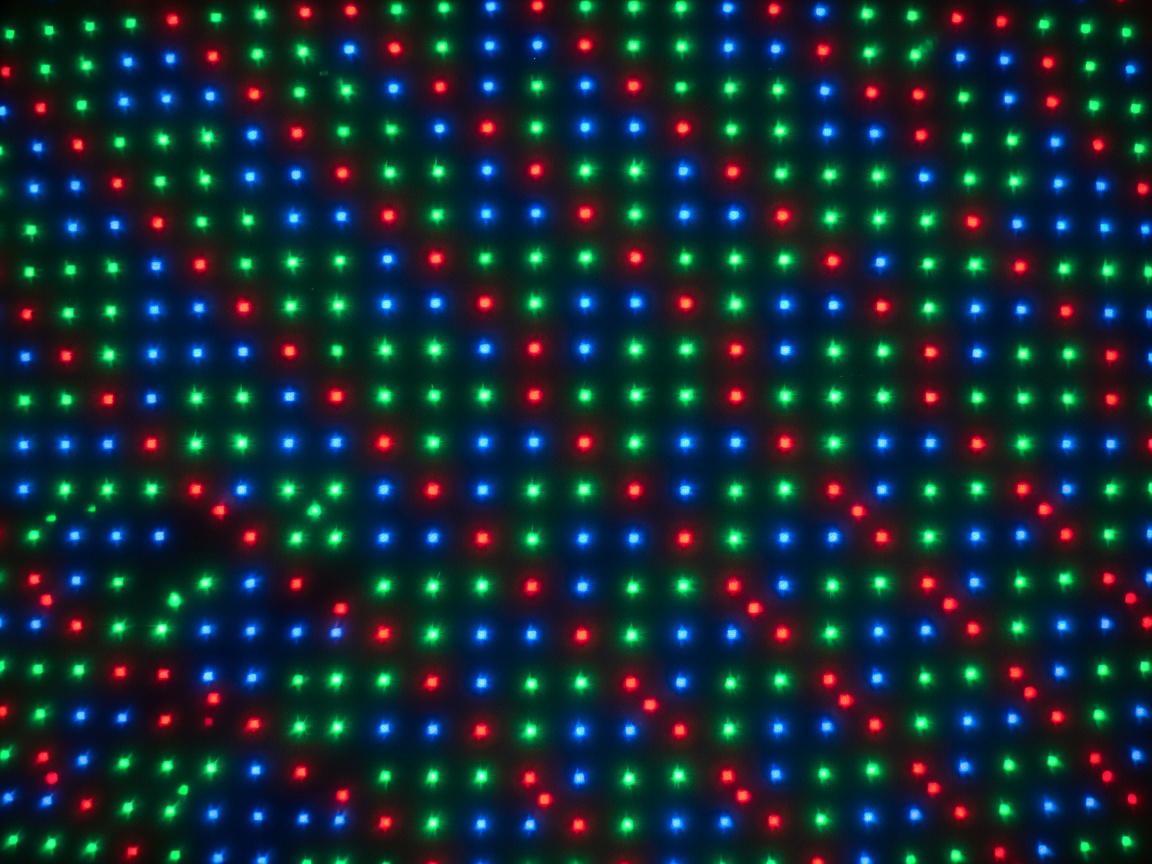
The Cathode Ray Tube (CRT) dominated visual output for nearly a century. A CRT is essentially a particle accelerator pointed at your face. Electrons are fired through a vacuum, steered by magnetic yokes, to strike phosphor dots on thick, leaded glass.
"The image on a CRT is never truly static. It is being constantly redrawn, a frantic dance of electrons creating the illusion of a solid picture, accompanied by a high-frequency hum felt in the teeth."
Nixie Tubes and Cold Cathodes
Before LEDs became ubiquitous, numerical displays relied on Nixie tubes. These glass vials contained distinct, stacked wire meshes shaped like numerals bathed in neon gas. When energized, the selected number would ignite with a warm, amber-orange plasma glow. The depth and layering of the unlit numbers behind the glowing one provided a stunning 3D effect unmatched by flat modern screens.